A six-month pilot of all-night routes has carried twice the passengers anyone expected. Most of them are on their way to work.
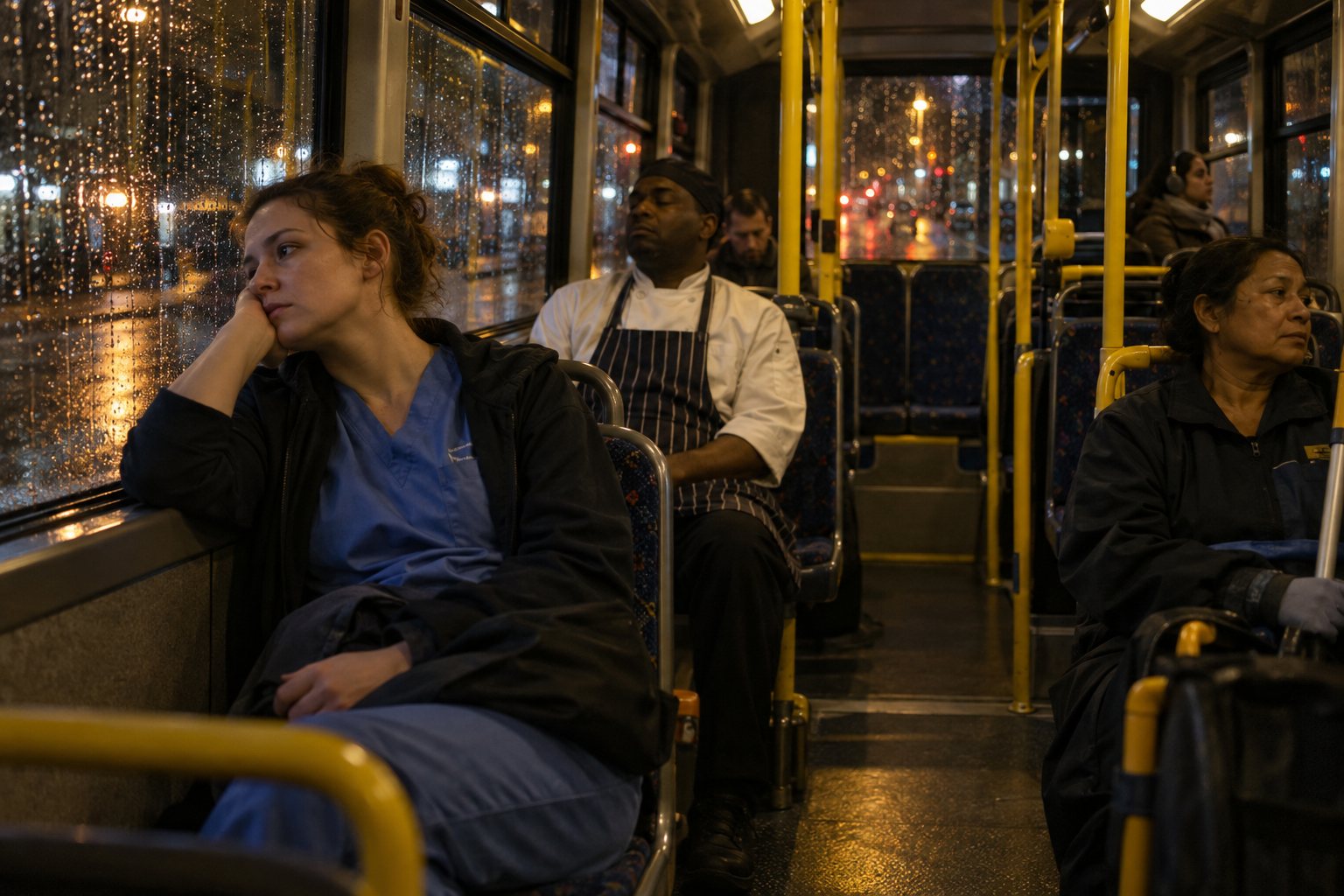
At ten past two on a Tuesday morning, the N4 pulls away from the Corn Exchange with every seat taken. A nurse coming off a late shift at St Bride’s sleeps against the window. Two cooks from the hotels on the waterfront share a bag of chips. A woman in a hi-vis jacket reads a paperback by the light over the door. None of them, the city council admits, is the passenger it had in mind. When Port Avery launched its all-night bus pilot in April, the plan was written around the weekend: students, concert crowds, people leaving the bars on Quay Street. The council paid for eleven nine Correction 19:05 routes, running every thirty minutes from midnight to five, and set itself a target of 1,200 journeys a night. The buses have averaged 2,460. The surprise is not the number but the timetable. The busiest hour is not one in the morning on a Saturday but half past four…
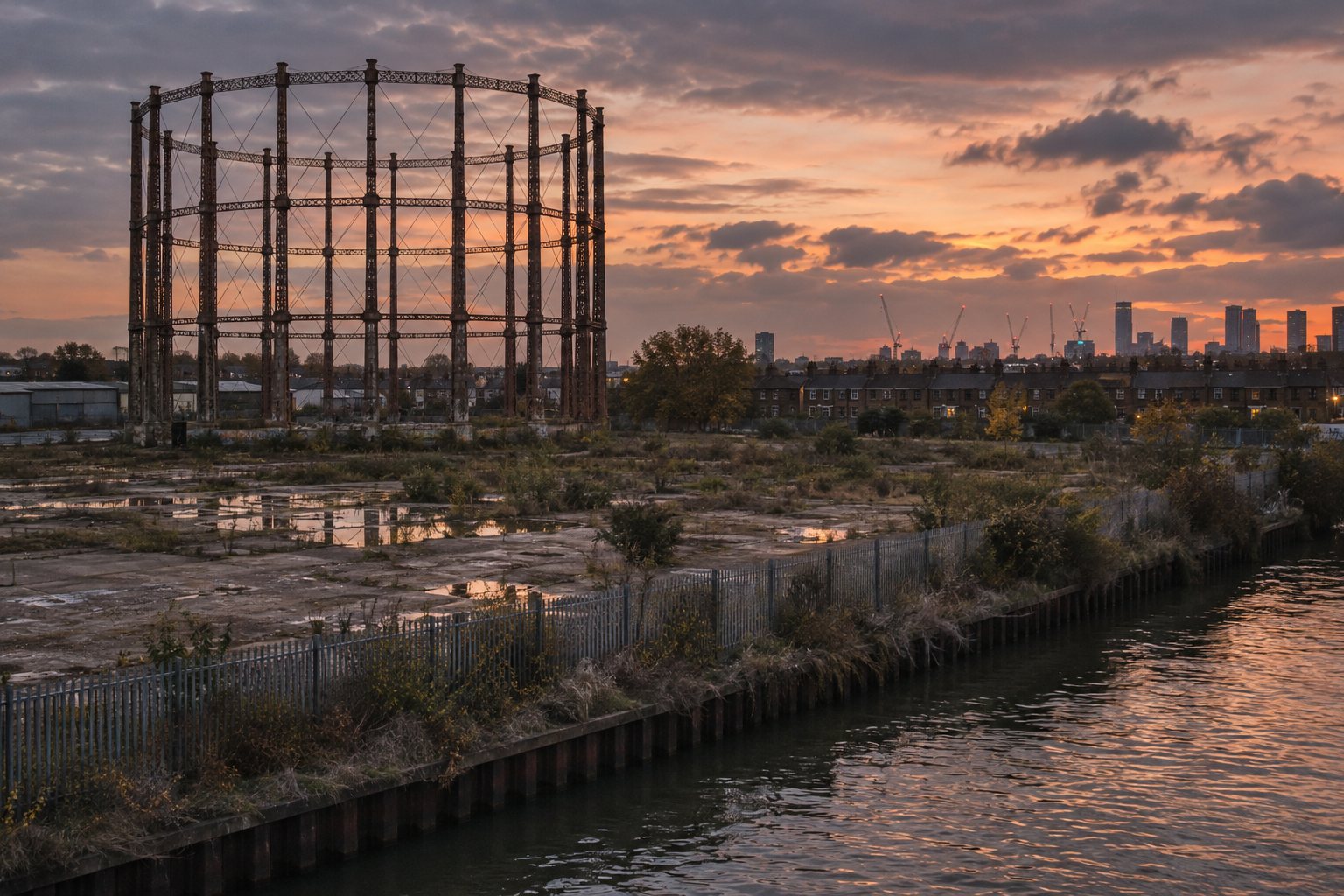
Continued on p. 2 →The gasworks site at dusk. The iron frame of the last holder would stay, with a park inside it. AI-generated
The developer wants to keep the old gas holder and build a park inside it. Foundry Lane wants the traffic kept away from the school.
A plan to build 120 homes on the old gasworks site beside the Merrow goes to the council's planning committee next Tuesday, eleven years after the last gas holder was emptied. The site has been fenced off since 2015. The iron frame of the largest holder still stands over it, and the developer, Merrow Quay Homes, wants to keep it: the plans put a small park inside the ring of columns, with the flats arranged around it. Of the 120 homes, 36 would be offered at social rent, which is fewer than the forty percent the council's own policy asks for on large sites. The developer says the cost of cleaning the ground, which is thick with tar from a century of making gas from coal, makes the full share impossible. "We have opened every trial pit on this site," said the company's planning director, Ruth Okonedo. "We know exactly what is down there, and so does the council. It…
Continued on p. 2 →The reading hour at Kestrel Primary. Comics count. Phones do not. AI-generated
Every afternoon at Kestrel Primary, four hundred children and the caretaker stop and read. A year on, the results are in.
At quarter past two every afternoon, Kestrel Primary goes quiet. Four hundred children, their teachers, the caretaker and the two women in the office stop what they are doing and read a book. Any book, as long as it is made of paper. The school dropped written homework for its younger classes last September and gave the time back to the school day. The reading hour is in fact forty minutes, which the head teacher, Femi Adeyemi, says is the longest a seven-year-old can sit still "without a crisis". The school measures reading every term, as all schools do. In the year since the change, the share of seven-year-olds reading at the expected level has risen from 61 to 74 percent. Mr Adeyemi is careful not to claim it is all the reading hour. "We also bought a lot of books," he said. Parents are mostly in favour. A few miss the homework. "It was the only time I knew…
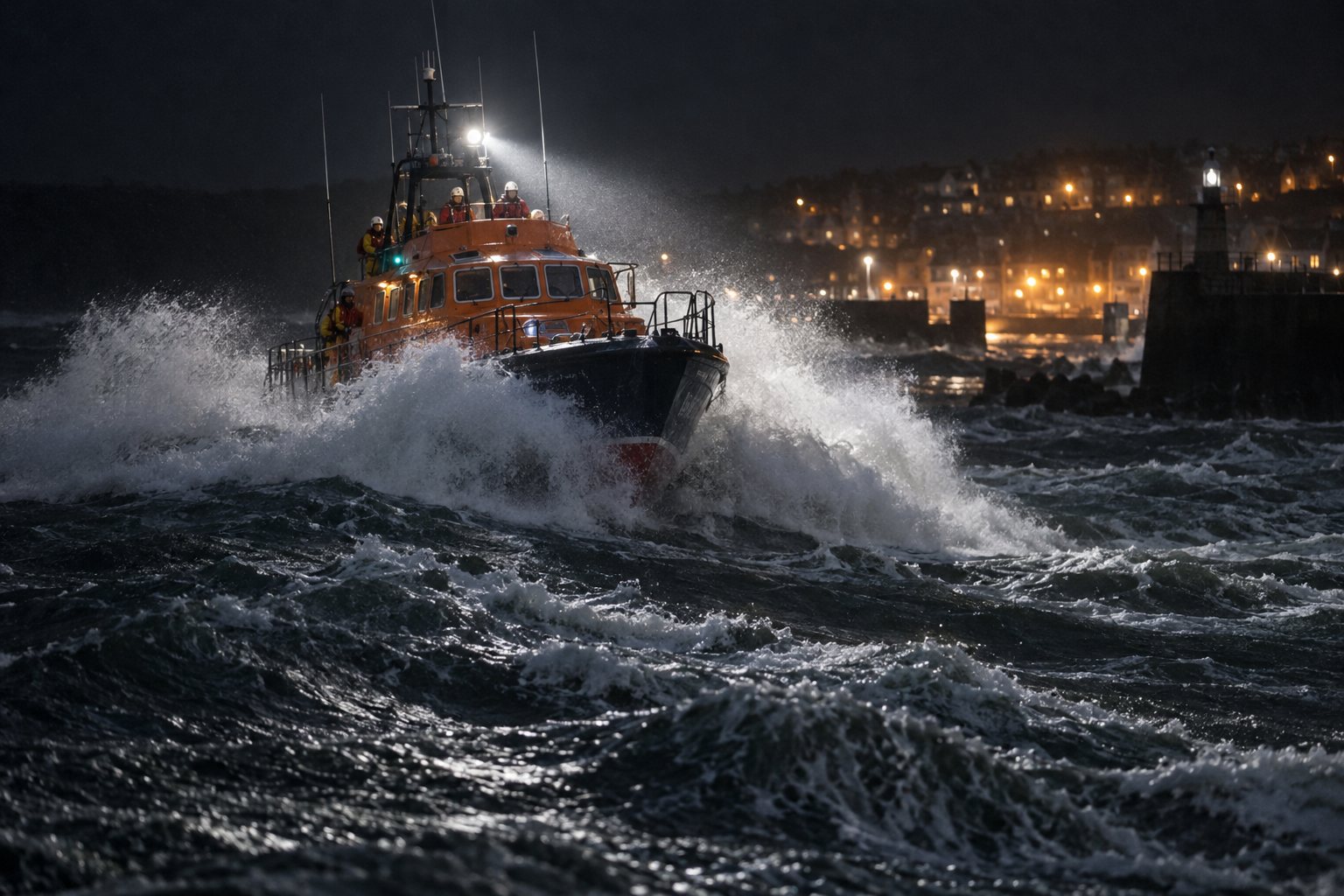
Continued on p. 2 →The inshore lifeboat on exercise in the bay. All of its crew are volunteers. AI-generated
A drifting yacht, a lost dog and a fishing boat bailing with a bucket, between ten at night and five in the morning.
The volunteer crew of the Port Avery lifeboat were called out three times between ten on Sunday night and five on Monday morning, the busiest night the station has had since 2019. The first call was to a yacht with a fouled propeller drifting towards the rocks off Gull Point. The crew towed it into the harbour. The second, just after one, was a false alarm: a light on the cliffs that turned out to be a man looking for his dog. The third was to a fishing boat taking on water three miles out, whose two crew were bailing with a bucket when the lifeboat reached them. "We pumped her out and walked her home," said the helm, Jess Tregarthen, who in the daytime works at the building society on Exchange Square. She went to work on Monday at nine. We pumped her out and walked her home. The station's crew of twenty-four are all volunteers. It is recruiting,…
Continued on p. 2 →Ashgrove Academy's robot, built from a vacuum cleaner motor and a cereal box. AI-generated
A robot built from a vacuum cleaner motor and a cereal box won the regional schools final for Ashgrove Academy on Tuesday. The team of five goes to the national round in March.
Continued on p. 2 →Tram 11 in the depot. Volunteers say it will carry passengers again in the spring. AI-generated
Volunteers restoring the city’s last wooden tram say it will carry passengers again in the spring, for the first time since 1961. It returned to the depot on Tuesday for its final coat.
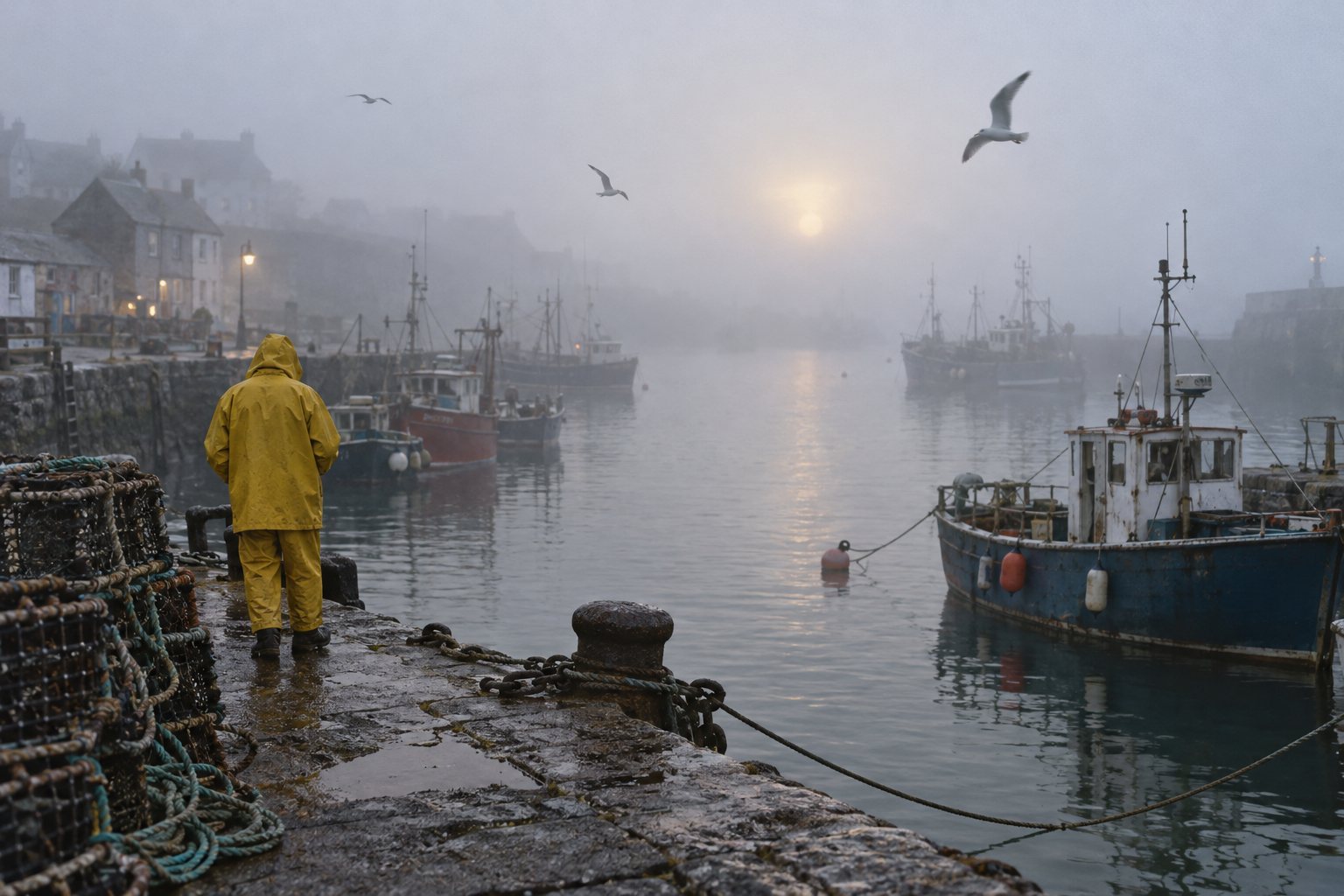
Thick fog closed the northern quay from mid-afternoon until shortly before nine on Tuesday, cancelling four ferry crossings. The harbour master lifted the warning at 21:40 and the 22:10 sailing will run.
The walk-in clinic at the health centre on Wren Square will open on Saturday mornings from November, from eight until twelve, after the winter rise in patients filled the weekday waiting room by nine most days last year.
The 22:10 crossing survives a budget vote by two votes.
The last ferry of the day across the Merrow will keep running until at least next summer, after the council voted by twenty-two to twenty against cutting it. The crossing carries about ninety passengers a night, most of them hospital and hotel staff.
Continued on p. 2 →Tram 11 in the depot. Volunteers say it will carry passengers again in the spring. AI-generated
Six kilometres from the depot to the sea, following rails that have been under the road since 1961.
The trams stopped running in Port Avery in 1961, but they never quite left. Their rails are still under the tarmac on Station Road, and in hot summers they show through. This walk follows them from the old depot to the sea front, past the cast-iron shelter at Fiveways and the bricked-up tram shed that is now a climbing wall. Allow two hours, and finish at the kiosk on the promenade, which has served tea since the trams were still running.
Two hundred people swim off Fiveways now. Not all of them know about the tide.
The sea swimmers who meet at Fiveways beach every morning at seven, whatever the weather, have asked the council for a lifeguard during the summer holidays. The group started with four people and now has more than two hundred members, about sixty of whom swim on a normal weekday. Its organiser, Maggie Thorne, says the beach has become busy with families who have seen the swimmers and followed them in, "without always noticing that the tide comes round the point like a train". The council says a seasonal lifeguard would cost about £22,000 a year and that it will look at the request in the spring budget.
Recycling collections in the east of the city move from Tuesdays to Thursdays from the first week of November, as the council merges two rounds. A leaflet will come with the next collection. Glass is still collected separately, on the same day as before.